Asset Allocation Explained for New Investors: A Simple Guide

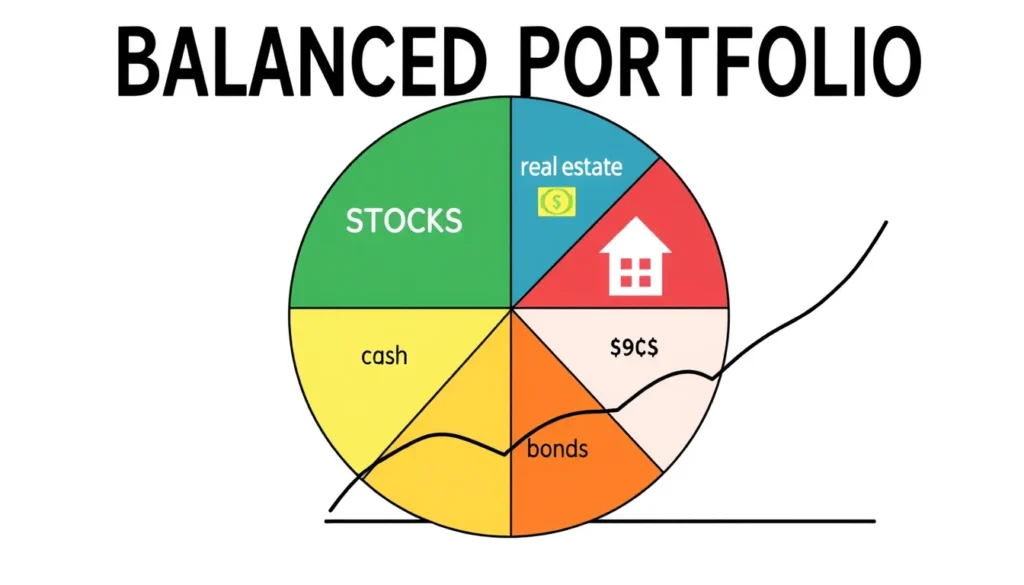
If you are new to investing, building a balanced portfolio can feel overwhelming. This guide cuts through the jargon to provide a clear, step-by-step roadmap for creating your first Asset Allocation. You will learn exactly how to match your investments to your personal financial reality.
By following this process, you will move from uncertainty to a concrete plan. Each step focuses on a specific decision, helping you understand why you are making it and what the expected outcome looks like. You will finish with a strategy tailored to your needs.
The goal is confidence. You will learn how to structure your holdings for long-term growth while managing potential downsides. This approach ensures your portfolio remains aligned with your goals, even as market conditions change.
Define Your Investment Goals and Time Horizon
Now that you understand why each decision matters, turn the focus to what you ultimately want to achieve. A well‑defined goal statement becomes the compass for every later choice in your Asset Allocation plan.
- Pick a concrete objective. Instead of “save for the future,” specify the purpose—e.g., “fund a retirement at age 65,” “pay a 20% down‑payment on a house in five years,” or “build an emergency fund of $15,000 within 18 months.”
- Quantify the target amount. Estimate the money needed using a simple calculator or online tool; the figure doesn’t have to be perfect, just realistic enough to guide the numbers you’ll allocate.
- Assign a Time Horizon. Match the objective to a calendar length—short (0‑3 years), medium (3‑10 years), or long (10+ years). This horizon directly influences your Risk Tolerance and the mix of Asset Classes you’ll select.
- Write the goal statement. Combine the three elements into one sentence, such as: “Accumulate $300,000 for retirement by age 65 (30‑year horizon).”
Common mistake: Vague goals (“be comfortable later”) or ignoring the Time Horizon lead to mismatched Risk Tolerance and poor diversification. A clear, time‑bound statement keeps your Asset Allocation focused and makes future Rebalancing decisions straightforward.
Identify the Core Asset Classes to Use
With your goals defined, select the specific Asset Class categories that will build your portfolio. Each class carries distinct risk and return characteristics, forming the foundation of your Diversification strategy.
Equities represent ownership in companies. They historically offer higher potential long-term growth but come with significant short-term volatility. This makes them suitable for investors with a longer Time Horizon and higher Risk Tolerance.
Fixed Income includes bonds and similar debt instruments. These typically provide steady income and lower volatility than stocks, acting as a stabilizer during market downturns. They are essential for preserving capital as your investment date approaches.
Cash and cash equivalents, such as money market funds, offer immediate liquidity and minimal risk. While they protect against loss, they generally lag behind inflation. Use this class for emergency funds or near-term spending needs.
Real Estate provides exposure to property markets through direct ownership or funds. It can offer income and inflation protection, though liquidity is often limited.
Alternatives include commodities, hedge funds, and private equity. These may offer uncorrelated returns but often come with higher fees and complexity.
For most new investors, a core portfolio consists of equities, fixed income, and cash. Adding real estate or alternatives is optional and depends on your comfort with complexity. Your final list should contain only classes you understand and can monitor effectively. This shortlist becomes the menu from which you will determine your specific Asset Allocation percentages in the next step.
Assess Your Risk Profile and Set Target Percentages
Convert your goals and asset menu into specific percentages by evaluating your Risk Tolerance. Ask yourself three questions: How would you feel if your portfolio dropped 20% in a month? Can you afford to wait three years without touching the money? Do you prefer steady, lower returns or accept volatility for higher potential growth? Your answers define your profile.
- Conservative: Prioritize capital preservation. Target higher fixed income and cash allocations.
- Balanced: Seek moderate growth with reduced volatility. Split exposure between equities and bonds.
- Aggressive: Accept short-term losses for long-term gains. Allocate heavily to equities.
Based on your profile, draft a target allocation. For example, a Balanced investor might aim for 60% equities and 40% fixed income. This table serves as your benchmark for future Rebalancing. Write these numbers down. They represent your strategic intent and provide a clear standard against which to measure portfolio drift. Without these defined targets, you lack the framework to make disciplined investment decisions during market fluctuations.
Select Vehicles and Build the Portfolio
With your target percentages set, translate them into specific investments. Choose low-cost index funds or ETFs that track broad market segments. For equity allocations, select funds covering large-cap, small-cap, and international markets to ensure adequate Diversification. For fixed income, pick bond funds aligned with your Time Horizon, such as intermediate-term treasuries for moderate durations.
Determine the exact dollar amount for each position by multiplying your total investable capital by the target percentage. If you have $10,000 to invest and a 60/40 split, allocate $6,000 to equity funds and $4,000 to bond funds. Divide the equity portion among your chosen stock funds based on your internal weighting strategy. Execute these purchases through your brokerage account. Verify that the final holdings match your intended Asset Allocation. This step transforms your theoretical plan into an active portfolio. The result is a fully implemented investment structure ready for ongoing monitoring. Confirm that all trades have settled and that your current holdings reflect your strategic intent. This baseline is critical because it establishes the starting point for future Rebalancing decisions. Without accurate initial implementation, subsequent adjustments become difficult to track and manage effectively.
Monitor Performance and Rebalance When Needed
Set a calendar reminder to review your portfolio at least once a year. Quarterly checks are sufficient for most investors, avoiding the stress of daily market noise. During each review, compare your current holdings against your original target percentages. The goal is not to predict market movements, but to ensure your Asset Allocation remains aligned with your initial Risk Tolerance and Time Horizon.
Rebalancing is triggered when specific Asset Classes drift significantly from their targets. A common threshold is a 5% deviation. If your equity sleeve has grown from 60% to 65% due to market gains, you have drifted beyond this limit. This drift often indicates you are taking on more risk than intended.
To execute Rebalancing, sell the overweight assets and buy the underweight ones. You can use new contributions to buy underweight positions, avoiding capital gains taxes where possible. This process forces you to buy low and sell high systematically.
The expected result is a disciplined habit that keeps your portfolio on track. By sticking to this schedule, you prevent emotional decisions and maintain the Diversification benefits of your strategy. This systematic approach ensures your investments continue to serve your long-term goals without requiring active market timing.
Common Allocation Mistakes to Avoid
Building a solid Asset Allocation strategy is straightforward, but execution often fails due to specific behavioral traps. Recognizing these errors early helps you protect your capital and stay committed to your plan.
Chasing Recent Performance
Investors often pour money into sectors that surged recently, assuming the trend will continue. This usually means buying at peak valuations. Corrective Tip: Ignore short-term news cycles. Stick strictly to your target percentages regardless of which Asset Class is currently in the spotlight.
Ignoring Risk Tolerance
Many beginners choose aggressive portfolios because they feel confident, only to panic during market dips. If you cannot stomach volatility, your plan will fail when it matters most. Corrective Tip: Be honest about your comfort level. A slightly lower return with sleep-in-a-night stability beats a high-risk portfolio you abandon during a downturn.
Over-Concentrating in One Sector
Believing you know the next big winner leads to heavy bets on single industries. This defeats the purpose of Diversification. Corrective Tip: Broaden your exposure. Ensure no single industry or company dominates your holdings beyond a reasonable threshold.
Neglecting Rebalancing
Markets drift over time, causing your actual mix to diverge from your targets. Leaving this unchecked changes your Risk Tolerance without your consent. Corrective Tip: Set calendar reminders to review and adjust your portfolio regularly, restoring your intended balance.
